Grief & loss counselling
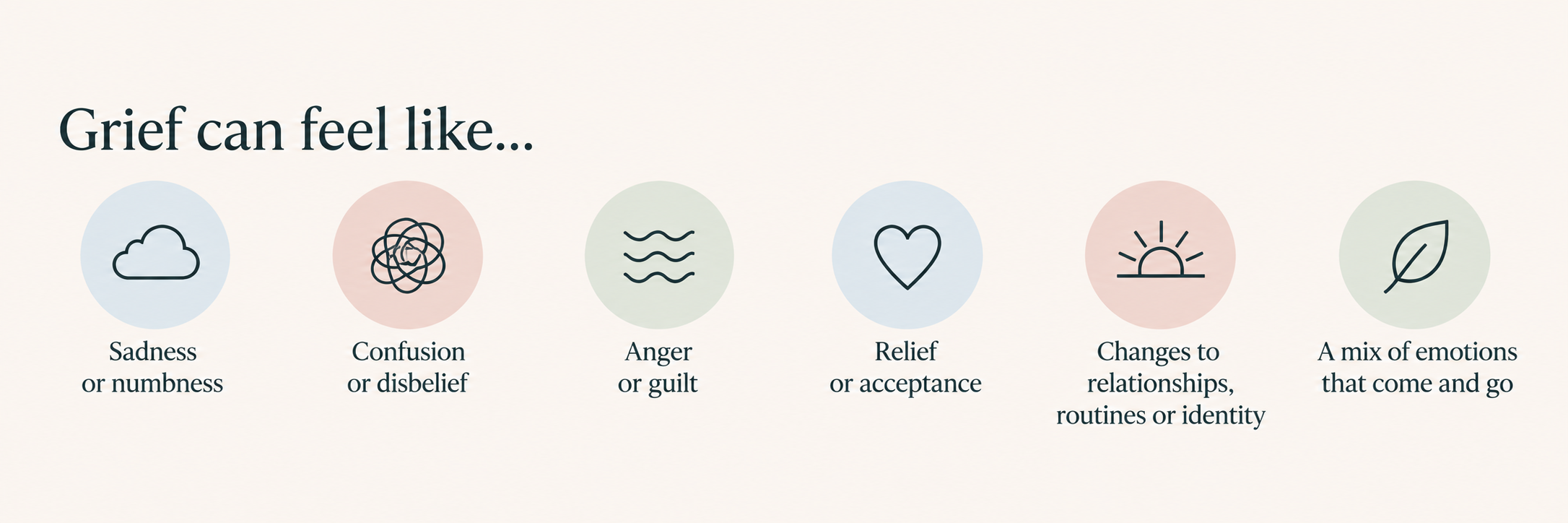
Grief can affect us in many different ways. You may be grieving someone who has died, adjusting to a significant change, or finding that a loss from the past has resurfaced.
Sometimes grief is also for the life you knew, or the life you imagined you would have. Changes in relationships, health, family, identity, work or life circumstances can bring a sense of loss, even when there hasn’t been a bereavement.
There is no right way to grieve and no set timeline. Counselling can offer space to process what you’ve lost, make sense of what has changed and begin to find your way forward — without pressure to “move on.”

-
Grief counselling offers space to talk about your loss and its place in your life, with someone who will listen without trying to hurry you.
We might explore:
Feelings that are difficult to share elsewhere.
Your relationship with the person or what you’ve lost.
Unanswered questions, regrets or things left unsaid.
Changes in relationships, routines or identity.
What support you need in everyday life.
If someone has died, we can also explore ways of maintaining a meaningful connection with them. Our work will be guided by your experience, beliefs and wishes.
-
Yes. You’re welcome to bring any loss that matters to you.
This might include:
The ending or changing of a relationship.
Changes in health or ability.
The loss of a pet.
Redundancy, retirement or another change in role.
A change in identity, belonging or the future you imagined.
Even a change you chose can involve feelings of loss. You don’t need to justify why it matters or compare it with someone else’s experience.
-
You can get in touch whether your loss is recent, happened years ago or has begun to feel different over time.
We can discuss what you’re looking for and whether counselling feels right for you now. You don’t need to wait a particular length of time or feel ready to talk about every part of your experience.
-
You’re welcome to talk about whatever you’re experiencing, including feelings that seem contradictory or difficult to admit.
I won’t expect you to grieve in a particular way. There is space to explore your relationship, the circumstances of the loss and what your feelings mean to you, without judgement.
-
Yes. Grief may sit alongside anxiety, low mood or overwhelm. A loss can affect different parts of your life, and you don’t need to separate those experiences in counselling.
Exploring a late ADHD or autism diagnosis may also bring feelings about missed understanding or support, alongside relief and self-discovery.
As a parent or carer of a neurodivergent child, you may have feelings around changing plans, barriers to support or the future you imagined. There’s space to explore these while valuing your child for who they are.
We can make room for whatever feels connected and important to you.
Questions about grief and loss counselling
Thinking about counselling?
I offer counselling for adults across the UK.
You can book a free 20-minute introductory call to ask questions, tell me a little about what has brought you to counselling and see whether working together feels right.